
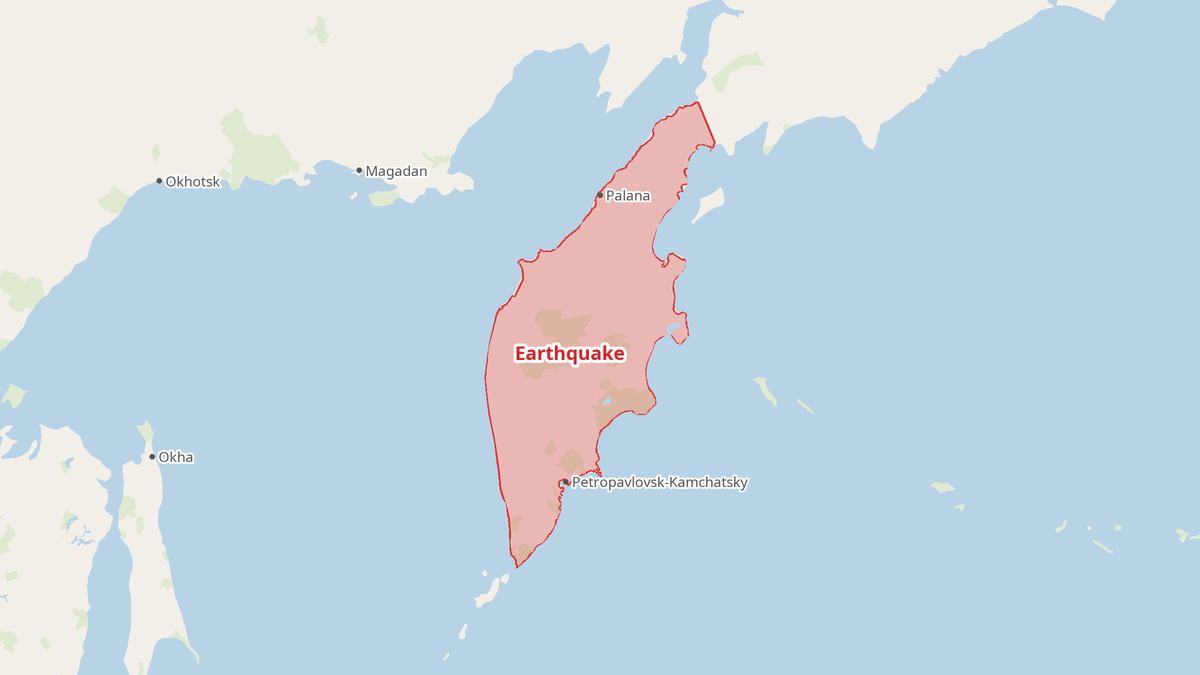
A magnitude 7 earthquake struck Russia’s Kamchatka Peninsula on Friday, October 16, 2026, the European-Mediterranean Seismological Centre (EMSC) said. The quake hit at a depth of 140 km, or about 87 miles.
That’s all that’s confirmed so far. The EMSC report doesn’t say whether anyone was hurt, buildings were damaged, or officials issued a tsunami warning. Those gaps matter. Residents and emergency planners will want answers first.
What We Know
Reuters published its report at 3:50 a.m. UTC on October 16, then updated it 23 minutes later. Sumedha Mukherjee reported from Bengaluru, and Christian Schmollinger edited the piece. The EMSC, a seismological monitoring body, provided the magnitude and depth.
The depth offers one piece of context. At 140 km, the quake began well below the surface. The report doesn’t explain what that means for ground shaking or damage, and guessing would be a mistake. It does establish that seismological monitors gave the event immediate international attention.
What We Don’t Know
The base report is short. Its silence is telling. There’s no word on casualties or damage to homes, roads, or infrastructure. Russian authorities haven’t issued a statement, and the report offers no account of how local communities are responding.
In moments like this, the speed and honesty of official communication carry real weight. People in affected areas depend on public institutions for accurate, timely information about whether to evacuate, where to find shelter, and whether utilities and medical services are running. Until officials speak, the public is left with a two-sentence wire alert.
The EMSC’s role matters here. Independent, internationally accessible monitoring gives communities and governments a shared, verifiable set of facts about a seismic event within minutes. Cross-border data sharing helps disaster response work in practice, and public institutions usually fund and maintain it.
Waiting on Official Response
As of the latest update, the report had no further details. Further reporting must establish whether the quake caused injuries or damage, and what warnings or protective measures, if any, authorities put in place. Updates from emergency officials and seismological agencies will fill in the picture.
Why This Matters: A magnitude 7 earthquake is a major seismic event. The first hours after one test public systems. Early warning, clear official communication, and ready emergency services help determine how much harm a quake does to people living nearby. Right now, the confirmed facts are thin: the magnitude, the depth, and the source. Everything else—including who’s affected and whether help is needed—remains unreported. That’s why people are watching closely. Communities in seismically active regions rely on well-funded monitoring, transparent authorities, and shared international data to stay safe. The quality of those public investments shows up in moments exactly like this one. As details emerge, the key questions will concern preparedness and accountability: whether warnings reached people in time, and whether the response matched the risk.
- kamchatka peninsula
- earthquake
- russia
- magnitude 7