
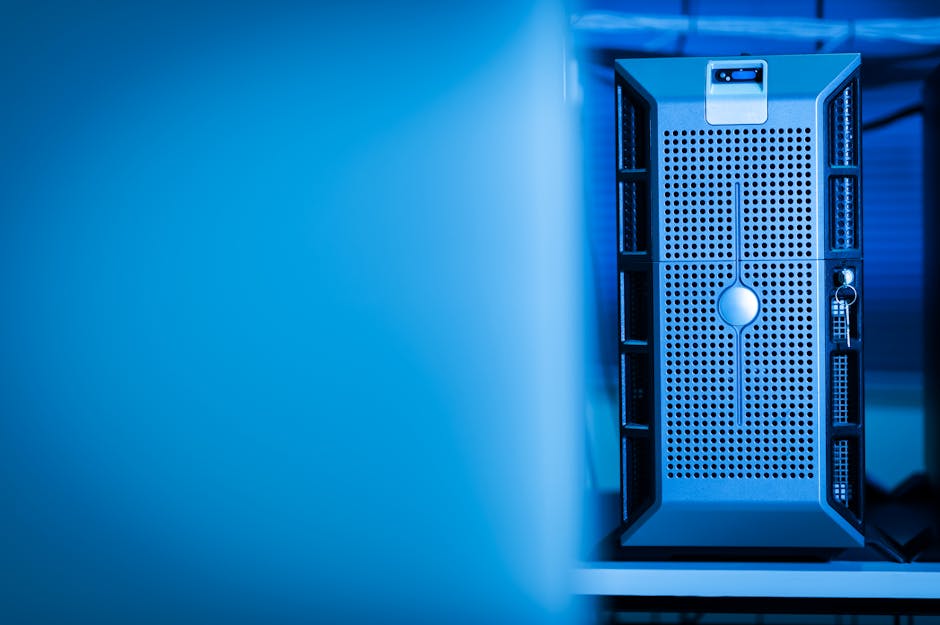
On Nov. 3, voters opposed data-center construction or backed restrictions in 40 of 41 local ballot measures, while Democrats won control of both chambers of Congress and technology stocks climbed as investors anticipated less market uncertainty.
The election put the costs of the AI buildout—energy, water, household utility bills and public incentives—before a new Democratic Congress and state governments. Major technology companies still gained in the rally that followed.
Who Pays for the Buildout
The New York Times reported that more than half the local measures were in Ohio. CNBC counted 41 measures across 10 states and said voters opposed data centers everywhere except Harwood, North Dakota.
Residents in at least 10 states voted on proposals that included local moratoriums and zoning rules, The Atlantic reported. In some towns, residents recalled mayors they accused of favoring data-center companies over constituents.
CBRE counted 7,481 megawatts of data-center capacity under construction across eight major North American markets in the first half of 2026. Texas was projected to account for nearly 30% of U.S. capacity by 2028, according to a Bloom Energy report.
Texas Gov. Greg Abbott directed regulators to develop requirements making data centers cover energy-infrastructure costs. He halted new grid-connection approvals during an audit, then instructed officials to enforce water-use reporting and pause new permits while electricity and water-use audits proceeded.
Gina Hinojosa, Amy Acton and Keisha Lance Bottoms won gubernatorial races after campaigning for restrictions or moratoriums. Hinojosa promised a construction moratorium and the elimination of subsidies and tax breaks for major developers. Acton backed a conditional moratorium requiring developers to cover all utility costs, use union labor and meet environmental standards. Bottoms promised a temporary statewide pause to assess effects on electricity bills, communities and the environment.
Workers, Rules and Political Money
Rep. Greg Casar said Democrats “must make it a top priority to protect Americans' jobs, freedom and lives from AI billionaires.” He called on AI company CEOs to testify under oath and urged Congress to investigate how companies put jobs, freedom and lives at risk.
Democratic Sens. Elizabeth Warren, Richard Blumenthal and Chris Van Hollen conducted a nearly yearlong probe that produced a 27-page report on whether AI data centers could raise consumer costs. The Washington Post reported that the new Congress would likely first use its oversight powers to investigate Big Tech and alleged industry-related corruption.
Political spending by technology interests also drew scrutiny. CNBC reported that crypto, AI and online-gambling interests contributed more than $377 million, with 14 of the 20 largest donor groups backing Republicans almost exclusively. TechCrunch reported that AI-focused PACs American Mission and Building the Future spent $4.8 million backing South Carolina Senate candidate Darlene Graham, who lost.
Leading the Future favors one national AI framework that would override state laws and said it planned to keep spending in the 2028 elections. Guardrails Alliance said it would continue opposing industry-backed candidates. Charlie Blaettler, political director of Guardrails Alliance, said, “They don't want their money to become an issue in these elections.”
Limits on the Proposed Fixes
OpenAI chief global affairs officer Chris Lehane proposed worker protections, tax incentives for AI skills, easier access to capital for entrepreneurs, employee ownership and profit-sharing. He also called for enforceable safety standards, independent evaluations, public oversight and the power to restrict systems or use a kill switch.
Kate Brennan of the AI Now Institute said Lehane’s proposals assumed AI’s benefits before anyone had demonstrated them. She said the agenda was “for a future...that is already predicated on mass AI adoption and AI benefitting society, which we have yet to see,” and suggested a revised corporate tax rate and incentives to hire people rather than automate jobs.
Brennan also pointed to OpenAI’s opposition in 2024 to California’s SB 1047, which would have required catastrophic-risk evaluations and shutdown capabilities, and the company’s later effort to limit state regulation. OpenAI has more recently backed several state safety laws and said it was open to independent evaluators embedded in the company.
Companies and investors are pressing against the proposed state restrictions. Needham analyst Laura Martin wrote, “We believe higher regulatory barriers entrench incumbents, and increase risks (and raise required ROICs) for new entrants,” adding, “Hyperscalers are AI incumbents.” PIMCO head of public policy Libby Cantrill said developers would need more time to secure permits and approvals, and would face more concessions.
On Wednesday, Amazon rose 8%, Google more than 6%, Microsoft 4%, Meta 3% and Apple nearly 7%. David Kelly of JPMorgan Asset Management said the results removed uncertainty, and that “moderation in growth, moderation in inflation, less uncertainty” was helping the stock market rise. The ballot resistance and market rally arrived together.
- 2026 midterm elections
- ai regulation
- data centers
- democratic party
- big tech
- texas
- data center moratoriums
- congressional oversight