
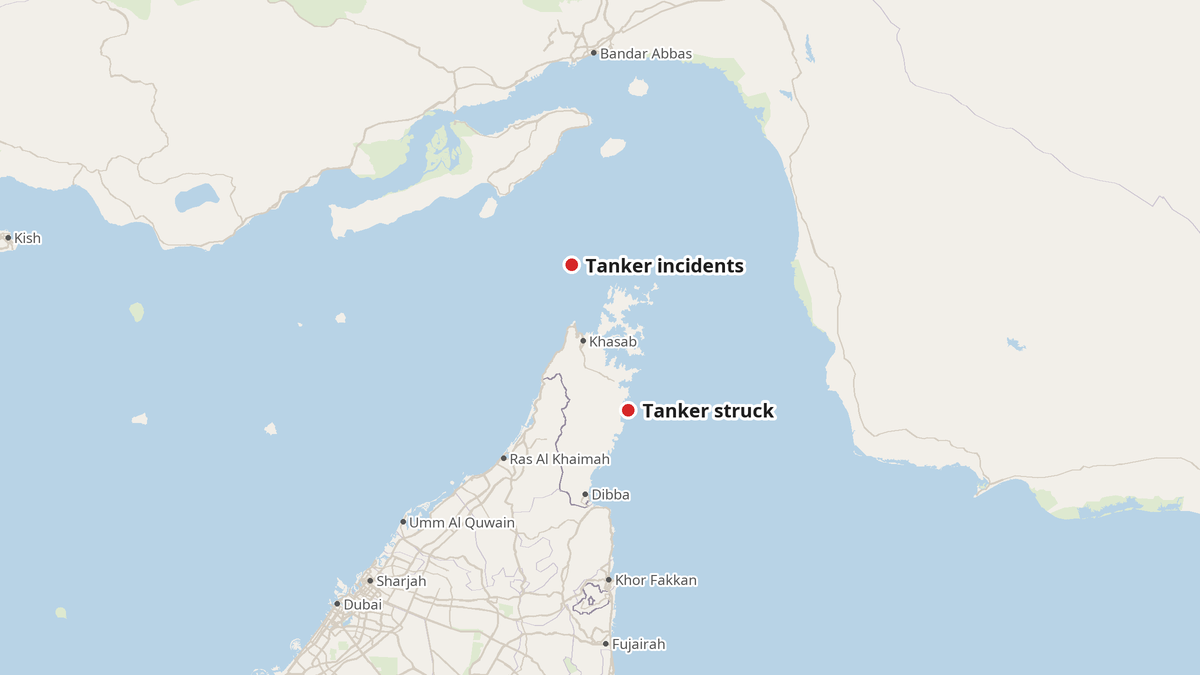
Four crew members were reportedly injured after the Liberia-flagged supertanker VLCC MT Fujairah Energy was hit by a projectile on 10 November while transiting the Arabian Gulf. The news came from India's Ports, Shipping and Waterways Minister Sarbananda Sonowal. Within hours, the story was priced in. By 10:30am Gulf time on Wednesday, Brent was up $1.15, or 1.26%, to $92.64 a barrel. WTI gained 69 cents to $86.73.
The market's mood swings tell you who the war is being fought for. On Tuesday, crude hit two-month lows after US officials downplayed the need for additional military action against Iran. Analysts credited President Donald Trump's more conciliatory tone since the Republicans' defeat in the November 3 midterm elections, eight days ago. Read that again: the sound of de-escalation arrived after an election result, not after a single sailor was spared. Wednesday's rebound came because tankers kept getting hit.
The State's Monopoly on Violence, Afloat
The attacks come from every direction a state can muster. Iran's Revolutionary Guards Navy said two tankers caught fire after hitting naval mines on what it called the "unauthorized route" in the strait. The UKMTO, which did not say who struck another tanker northeast of Oman's Lima, offered no attribution. Gulf News called these competing official accounts, not independently verified descriptions. Iranian state broadcaster IRIB, citing the Revolutionary Guard Navy, said three tankers were hit on Sunday for using "unauthorised routes." One was a Navig8 tanker, filmed burning near the Omani coast. Navig8 is majority owned by ADNOC Logistics & Services.
Meanwhile, US forces keep enforcing a naval blockade of Iranian ports. In the latest incident, a US military aircraft fired on and disabled a St Kitts-flagged cargo vessel that tried to leave regional waters after visiting an Iranian port on Saturday, US Central Command said. One flag demands a permit for a sea lane; another shoots ships that leave a port it dislikes. The cargo vessel, like the tankers, is just in the way.
The numbers keep stacking. Thirty-seven ships were attacked in October, the highest monthly total since the war began, according to the Washington Institute for Near East Policy. Reuters counts 10 more so far in November. The International Maritime Organization has confirmed 130 incidents since late February, most of them attacks, with at least 25 seafarers killed. Gulf News puts the war at Day 256.
Who Gets Crushed
The dead are seafarers, not shareholders. Nobody who signed an order or drew a route on a map appears in the casualty count of 25. The crews are hired hands on flagged hulls, and their flag states and operators decide what risk they carry.
The sea itself is taking a beating too. A video verified by Reuters on Monday showed oil reaching the shores of Oman, and satellite imagery showed spills off the Omani and UAE coasts. Khor Fakkan municipality temporarily closed Al Luluia beach after oil patches were detected; reporting linked the contamination to the tanker VIEIRA, described as leaking about 65 kilometers off Fujairah. The Omani government did not respond to a Reuters request for comment.
On the Saudi side, video verified by Reuters showed damage to Aramco's office building in Riyadh after Houthi-claimed missile strikes on November 8. The Saudi Energy Ministry said the building was targeted in an attempted attack, with debris causing limited damage and no injuries or fatalities.
The Silence of the Operators
When a vessel in its own fleet was damaged in the UAE's territorial waters on Tuesday, ADNOC Logistics and Services confirmed the attack but did not disclose the vessel's identity or the extent of the damage. It urged the public to rely exclusively on official sources and to refrain from circulating rumours or unverified reports. Navig8 and ADNOC did not reply to Reuters' emailed requests for comment about the burning tanker. The state-linked shipper wants you to trust the statement it declined to fill in.
Physical crude shows the other side of the ledger. Murban, the physical grade, dropped $7.10 to $92.07, a 7.16% fall, even as futures rose. Gulf News said the rebound showed "how quickly expectations of peace can reverse when tankers are attacked or navigation routes remain restricted," and that continued attacks would keep navigation, insurance and fuel costs under strain. Somebody always collects on that strain. The people on the burning decks and the oil-fouled beaches don't set the price, and they don't get a vote on the route.
- strait of hormuz
- oil prices
- tanker attacks
- brent crude
- iran
- adnoc logistics
- saudi aramco
- naval blockade