
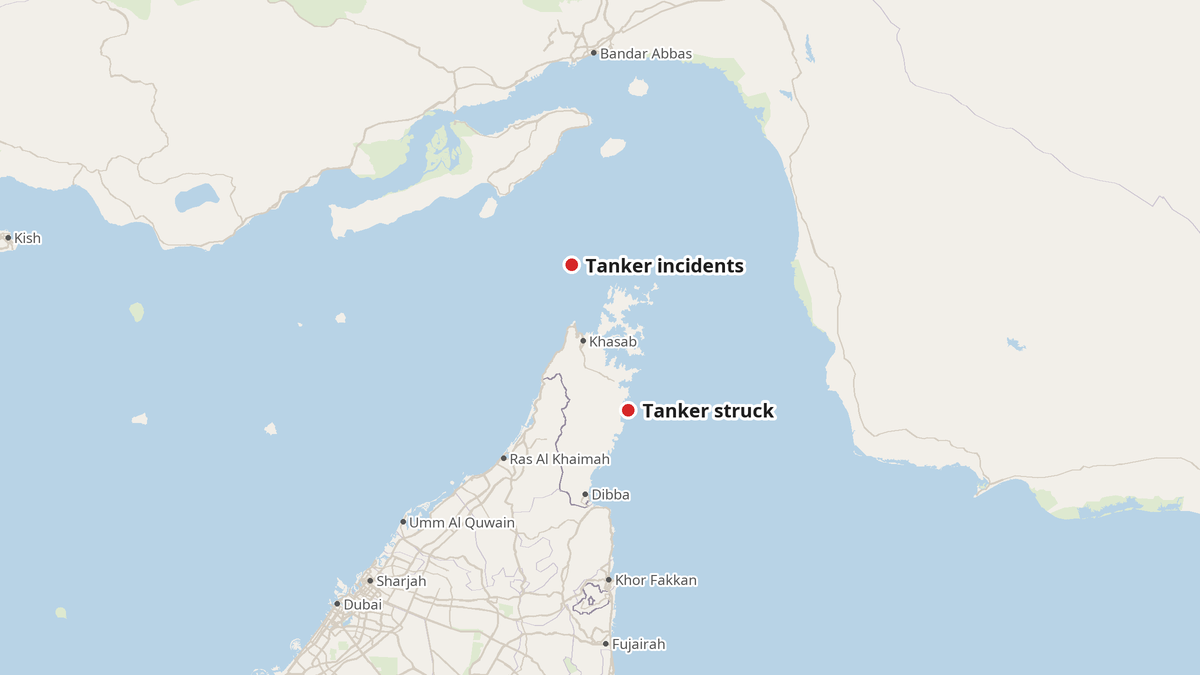
A US military aircraft fired on and disabled a St Kitts-flagged cargo vessel that tried to leave regional waters after visiting an Iranian port, US Central Command said. The ship had departed an Iranian port on Saturday. The strike came as US forces continued to enforce a naval blockade of Iranian ports, in the 256th day of the war that the US and Israel launched against Iran on February 28, according to Gulf News.
Oil prices rebounded Wednesday after touching two-month lows. By 10.30am Gulf time, Brent rose $1.15, or 1.26%, to $92.64 a barrel. WTI rose 69 cents, or 0.80%, to $86.73. Murban physical crude fell $7.10 to $92.07, a drop of 7.16%.
A Blockade Enforced by Force
The disabling of the cargo vessel is the clearest recent example of how the blockade operates. A ship that called at an Iranian port and then tried to leave was fired on from the air. CENTCOM announced it. The base article gives no figures on casualties aboard the vessel.
The lower prices on Tuesday followed US officials downplaying the need for additional military action against Iran. Analysts noted that President Donald Trump has adopted a more conciliatory tone since the Republicans' defeat in the November 3 midterm elections, held eight days ago. The blockade and the strikes on shipping continue regardless of that tone.
The Toll on Shipping and Seafarers
The International Maritime Organization has confirmed 130 incidents in the region since the conflict began in late February, most of them attacks. At least 25 seafarers have been killed. Thirty-seven ships were attacked in October, the highest monthly total since the war began, according to data from the Washington Institute for Near East Policy. Reuters has recorded 10 attacks so far in November.
On November 10, four crew members were reportedly injured when the Liberia-flagged supertanker VLCC MT Fujairah Energy was hit by a projectile while transiting the Arabian Gulf. India's Ports, Shipping and Waterways Minister Sarbananda Sonowal reported the incident. Another tanker was struck northeast of Oman's Lima, the United Kingdom Maritime Trade Operations agency said. It did not say who struck it.
Iran's Revolutionary Guards Navy said two tankers caught fire after hitting naval mines on the "unauthorized route" in the strait. Gulf News described these as competing official accounts, not independently verified. ADNOC Logistics and Services confirmed one of its vessels was damaged in an attack in the UAE's territorial waters, but gave no details on the vessel or the damage. It urged the public to rely only on official sources.
On Sunday, videos verified by Reuters showed a Navig8 tanker on fire near the coast of Oman. A Copernicus Sentinel-2 satellite image showed a large cloud of black smoke at the same location. Iranian state broadcaster IRIB, citing the IRGC Navy, said it was one of three tankers hit for using "unauthorised routes" through the strait. Navig8 is majority owned by ADNOC Logistics & Services. Neither company replied to Reuters.
Environmental and Infrastructure Damage
The attacks have caused environmental damage. A video verified by Reuters showed oil reaching the shores of Oman, and satellite imagery showed spills off the coasts of Oman and the UAE. Khor Fakkan municipality temporarily closed Al Luluia beach after oil patches were detected. Reporting linked the contamination to the tanker VIEIRA, described as leaking about 65 kilometers off Fujairah. The Omani government did not respond to Reuters.
Energy facilities have also been hit. Video verified by Reuters showed damage to Aramco's office building in Riyadh after Houthi-claimed missile strikes on November 8. The Saudi Energy Ministry said the building was targeted in an attempted attack, with debris causing limited damage and no injuries or fatalities.
What the Markets Are Pricing
Gulf News said the rebound showed "how quickly expectations of peace can reverse when tankers are attacked or navigation routes remain restricted." It called the Strait of Hormuz the region's most consequential pressure point. Any confirmed de-escalation could ease oil-price pressure, it said, while continued tanker attacks would keep navigation, insurance and fuel costs under strain.
Little sign exists of attacks abating in November. The blockade continues. So does the war.
- strait of hormuz
- oil prices
- tanker attacks
- brent crude
- iran
- adnoc logistics
- saudi aramco
- naval blockade