
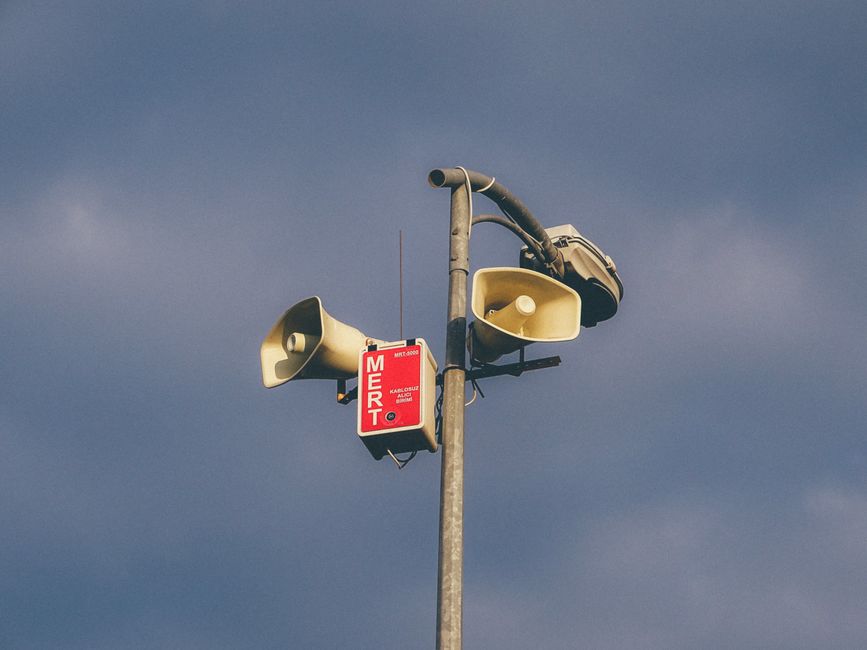
Ukraine’s Air Force said the country’s air-raid alert system was hacked late on November 1, sending sirens and false warnings about nuclear, chemical and street-fighting threats. The alerts also claimed Russia’s hypersonic Oreshnik missile had been deployed. Officials told people there was no radiation threat, even as the system meant to warn them began sending alarming messages.
The warning system
The Air Force said on Telegram: “The air alert app appears to have been subjected to enemy influence. There is no radiation threat! Stay calm and follow our updates on our channel.” The statement identified the app as the apparent target, but didn’t establish who carried out the hack.
Journalists for The Kyiv Independent said they received notifications on their phones through the officially supported Air Alert app. The Digital Transformation Ministry and security technology company Ajax Systems made the app together. It warns people across Ukraine in real time about incoming Russian air attacks. That network connects a government ministry, a technology company and a public service people rely on for information about attacks.
The false alerts reached beyond phone screens. Sirens sounded in streets across the country, including Zakarpattia Oblast in western Ukraine. Several regional governors said hackers had hit the system and advised residents there was no threat. Ivano-Frankivsk Oblast Governor Svitlana Onyshchuk said: “Currently, the situation in the oblast is calm. Reports indicate a cyberattack on the notification app.”
Officials issue warnings
Vinnytsia Oblast Governor Natalia Zabolotna warned people: “Cyberattack on the 'Air Alert' app. Do not click on the link in the message.” Officials said the cyberattack could involve a phishing operation with attached links. Their warning concerned a possible phishing operation; the article didn’t establish that anyone had clicked links or that personal information had been taken.
Ukraine’s Centre for Strategic Communications, SPRAVDI, blamed Russia for the hack in a post on X. That accusation differed from the Air Force’s statement that the app appeared to face “enemy influence.” Officials offered no further details about who carried out the attack or how it entered the notification system.
Kyiv authorities said a separate alert app specifically for the Ukrainian capital was working normally. The national system had sent false warnings, while the distinct app for Kyiv, authorities said, continued to work.
A second reported attack
Early on Monday, November 2, Russia’s Emergencies Ministry said its own mobile app had suffered a “massive cyberattack,” leading to the spread of “false information.” The ministry described a separate app and a separate reported incident. It didn’t provide further details in the account.
The episode involved institutions and infrastructure on both sides: Ukraine’s Air Force and regional governors issued public statements, SPRAVDI assigned blame, Kyiv authorities reported on their separate app, and Russia’s Emergencies Ministry reported an attack of its own. For people receiving the alerts, the immediate official messages were narrower: there was no radiation threat, the situation in Ivano-Frankivsk Oblast was calm, and residents shouldn’t click the message link. The system built to transmit warnings had sent false ones. Officials then used public channels to tell people which warnings not to trust.
- air alert app
- cyberattack
- ukraine
- false warnings
- air raid alerts
- ajax systems
- digital transformation ministry
- russia