
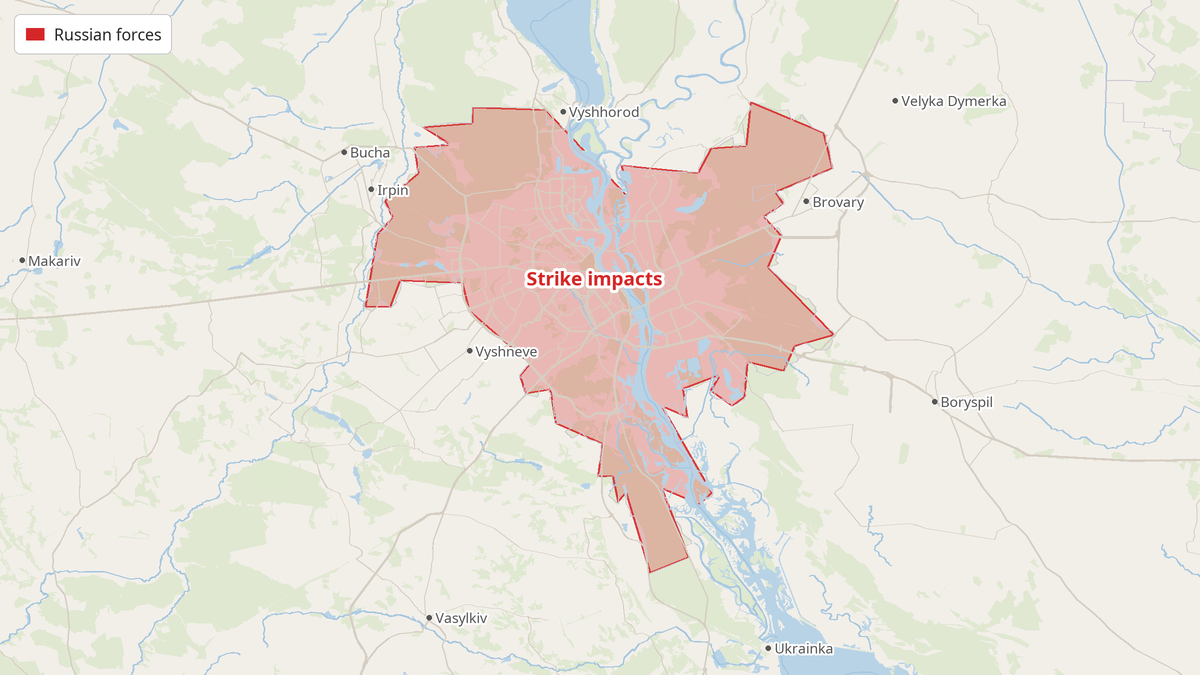
Multiple explosions rocked Kyiv on the evening of Oct. 18 as Russia fired ballistic missiles at the capital, leaving residents little warning. Air-raid sirens sounded as the blasts hit. Phone alerts arrived moments before the explosions, while street sirens began “howling during the explosions,” Chief Editor Olga Rudenko reported.
The Kyiv Independent said it had no information yet about the targets, damage or casualties. That uncertainty sits alongside the short warning window: Kyiv Independent Reporter Kateryna Denisova said she had about three minutes to reach shelter after a mobile alert. She called that interval “usual when there's a ballistic missile threat.”
Minutes to reach shelter
The attack made the practical cost of a missile warning stark: minutes. Denisova’s account gives a direct measure of the time available to reach shelter, while Rudenko described street sirens sounding during the explosions. Residents got little warning, and the available account doesn’t establish whether anyone was hurt or what the missiles targeted.
The distinction matters. Reports established the explosions and the warning sequence, but the consequences remained unknown. No damage figures or casualty information had been released at the time of the report. The facts describe people trying to respond to an incoming attack as the warning system and explosions overlapped.
The report also places the attack against a shift in intelligence sharing. Hours earlier, President Volodymyr Zelensky said the United States had resumed sharing intelligence with Ukraine about Russian missile launches. That’s what the report says about the resumption; it doesn’t specify what intelligence was shared, when it reached Ukrainian officials, or whether it changed the warning Kyiv residents received on Oct. 18.
Warnings and their limits
Ukrainian officials have previously said transmission delays can affect satellite surveillance of launch sites. Current weather conditions may also interfere with the Space-Based Infrared System (SBIRS) satellites monitoring the region. The report presents those as possible limits on monitoring, not a confirmed explanation for the brief warning before these explosions.
The account from Kyiv is concrete: phone alerts arrived moments before the blasts, street sirens sounded during them, and one journalist had about three minutes to seek shelter. It doesn’t say whether transmission delays or weather affected this attack. But it shows what remained uncertain as residents responded to the threat.
The Kyiv Independent hadn’t identified the targets, damage or casualties. Those gaps remain part of the account, not blanks to fill with speculation. Denisova’s report established the warning interval; the attack’s outcome was still unknown. For people in Kyiv, the immediate task was reaching shelter as missiles arrived and alarms sounded.
- kyiv
- russia
- ukraine
- ballistic missiles
- missile strike
- air raid sirens
- volodymyr zelensky
- space-based infrared system