
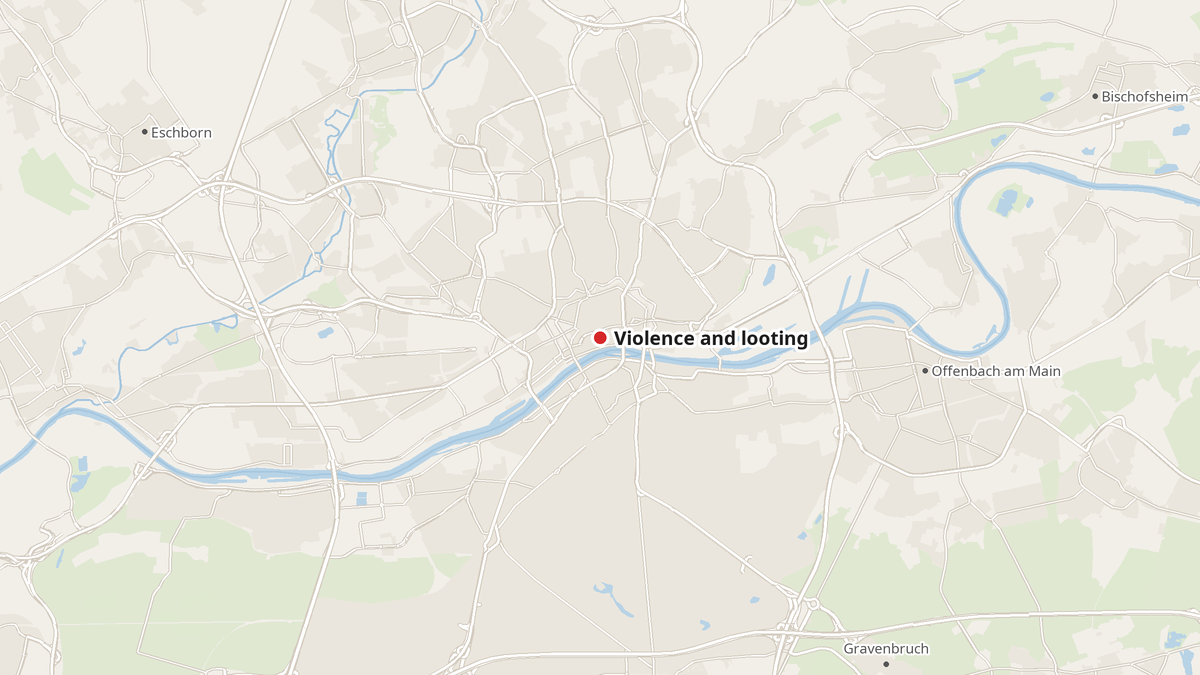
Tens of thousands of mostly young people took to the streets across Germany, protesting the cost of living and underfunded schools. By nightfall, the story had changed. Shop windows lay smashed in Frankfurt, protesters threw Molotov cocktails at officials, and 27 police officers had suffered injuries in Berlin.
A movement called Gen Z Regelt (Gen Z Takes Charge) organized demonstrations in Berlin, Cologne, Frankfurt and other cities. Protesters brought concrete demands familiar to many households: relief from high living costs, proper education funding and stronger action against climate change. They also opposed plans to bring back mandatory military service.
Violence After a Peaceful Start
Police said the protests began largely peacefully. They didn't end that way. In Frankfurt, protesters smashed shop windows and broke into stores; police used water cannons to disperse gatherings. Officers detained at least 30 people there. In Berlin, police detained 60 people, and 27 officers sustained injuries. In Hamburg, protesters set crowd-control barriers on fire.
Hesse Interior Minister Roman Poseck blamed outside actors. He said "around 100 clearly identified left-wing extremists" joined protesters in Frankfurt, prompting violence and looting. "It is shameful how this event here in Frankfurt has ended," Poseck said.
German Interior Minister Alexander Dobrindt offered a broader explanation in comments to Bild newspaper. He said that, alongside left-wing groups, "troublemakers from migrant communities" also caused violence. Dobrindt gave no figures in the account of his remarks. Like Poseck's statement, the claim reflects the officials' own characterization of events.
What the Organizers Say
The organizers reject any link to the disorder. A Gen Z Regelt spokesperson told Der Spiegel that the group wasn't involved in the violence. "We had no influence on what happened after the demonstrations ended," the spokesperson said.
That distinction matters. Poseck's own count of 100 identified extremists, set against tens of thousands of demonstrators, points to a small minority hijacking a mass protest. Meanwhile, the grievances that brought the crowds out haven't gone anywhere. Rising living costs and thin education budgets are policy questions for Berlin and the Länder, not problems water cannons can solve.
A Pattern Across Borders
The German demonstrations drew inspiration from protests in France, which also turned violent last month. French officials imposed curfews and other restrictions in response. German authorities haven't stated whether they'll follow a similar path.
The parallel deserves attention. Young people in two of Europe's largest economies are making overlapping demands on affordability, schooling, climate and conscription. In both countries, images of burning barriers and broken glass have swamped the movements' messages.
Why This Matters: Headlines from Frankfurt and Hamburg risk burying what tens of thousands of young Germans actually came to say. Their demands on living costs, school funding and climate action are shared across Europe, and the French precedent shows how quickly a protest wave can meet curfews instead of policy. Officials are right to condemn violence and protect police; 27 officers were injured in Berlin alone. But blaming extremists and "troublemakers from migrant communities" without public evidence invites suspicion and division, while letting governments avoid a harder question: why does a generation feel unheard? Defusing the anger takes investment in education and affordability, along with a serious answer on military service—not just policing.
- germany protests
- frankfurt
- roman poseck
- police violence
- gen z regelt
- cost of living
- education funding
- climate change