
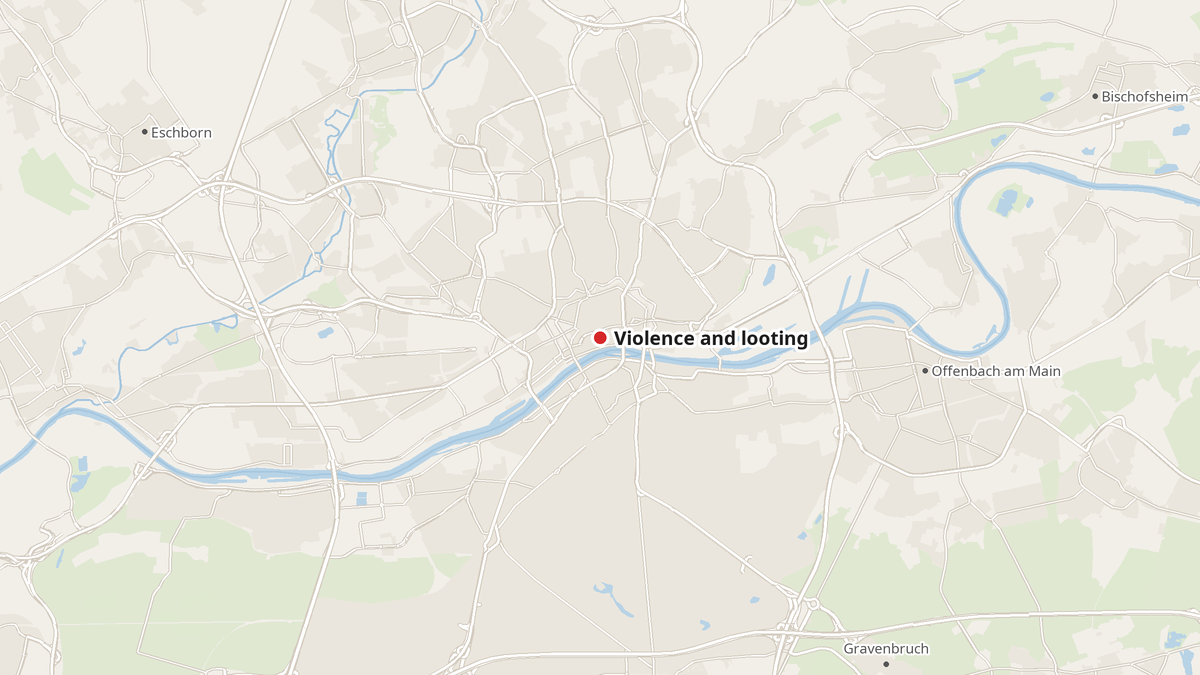
Around 100 “clearly identified left-wing extremists” turned a largely peaceful demonstration in Frankfurt into violence and looting, Hesse Interior Minister Roman Poseck said. “It is shameful how this event here in Frankfurt has ended,” he said.
Tens of thousands of people joined protests in cities across Germany, including Berlin, Cologne and Frankfurt. The demonstrations began calmly, but they didn’t stay that way. Police said protesters smashed shop windows, threw Molotov cocktails at officials and broke into shops. Officers used water cannons to disperse crowds. In Hamburg, protesters set crowd-control barriers on fire.
The Toll on Police
The numbers show how badly the night spiralled. Frankfurt police detained at least 30 people, while Berlin police detained 60. In the capital, 27 officers suffered injuries. The state sends those officers to protect public order, and they paid for it.
Poseck described a familiar pattern: a legitimate demonstration, followed by an organised radical element taking cover within it. His estimate of roughly 100 individuals in Frankfurt suggests a relatively small group caused the damage and looting.
Berlin Widens the Blame
Federal Interior Minister Alexander Dobrindt went further. Speaking to Bild newspaper, he said “troublemakers from migrant communities,” along with left-wing groups, also caused violence. The remark adds a second strand to the official explanation, and it’s one German authorities haven’t always been quick to state so plainly.
The base reporting doesn’t say how many people involved belonged to either category beyond Poseck’s figure for Frankfurt, and neither minister offered a breakdown. But the two statements establish that senior officials are now naming the sources of disorder rather than describing events in passive terms.
The Organisers' Denial
Gen Z Regelt, which translates as Gen Z Takes Charge, organised the demonstrations. Organisers told Der Spiegel they weren’t involved in the violence. “We had no influence on what happened after the demonstrations ended,” a spokesperson said.
The marches grew from broad grievances: the high cost of living and a lack of education funding. Protesters also called for increased action against climate change and opposed plans to reintroduce mandatory military service. Younger Germans weighing housing and schooling costs, as well as the state’s defence plans, have genuine reasons to care about those issues.
A French Precedent
The German demonstrations drew inspiration from protests in France, which also turned violent last month. Officials there imposed curfews and other restrictions in response. German authorities haven’t announced comparable measures in the reporting available. But the French sequence—a peaceful start, then violence and emergency restrictions—now stands in plain view as a template.
The pattern in both countries is the same. Economic anxiety brings crowds into the streets; the state then has to spend police resources and political capital restoring order.
Why This Matters:
The Frankfurt violence puts two questions before German voters: who is accountable for public order, and how honestly officials describe threats to it. Two senior ministers, one at state level and one federal, have publicly attributed the unrest to identifiable groups. Injuries to 27 officers in Berlin alone carry a real cost for police staffing and morale, while damage to shops falls on small businesses. From a centre-right perspective, the state’s credibility depends on visible, consistent enforcement, whatever the cause being protested. The French example shows how quickly curfews and restrictions can follow when disorder spreads. Whether Germany’s response stays proportionate, and whether officials give the economic grievances behind the marches a serious hearing separate from the violence, will shape public trust in the weeks ahead.
- germany protests
- frankfurt
- roman poseck
- police violence
- gen z regelt
- cost of living
- education funding
- climate change