
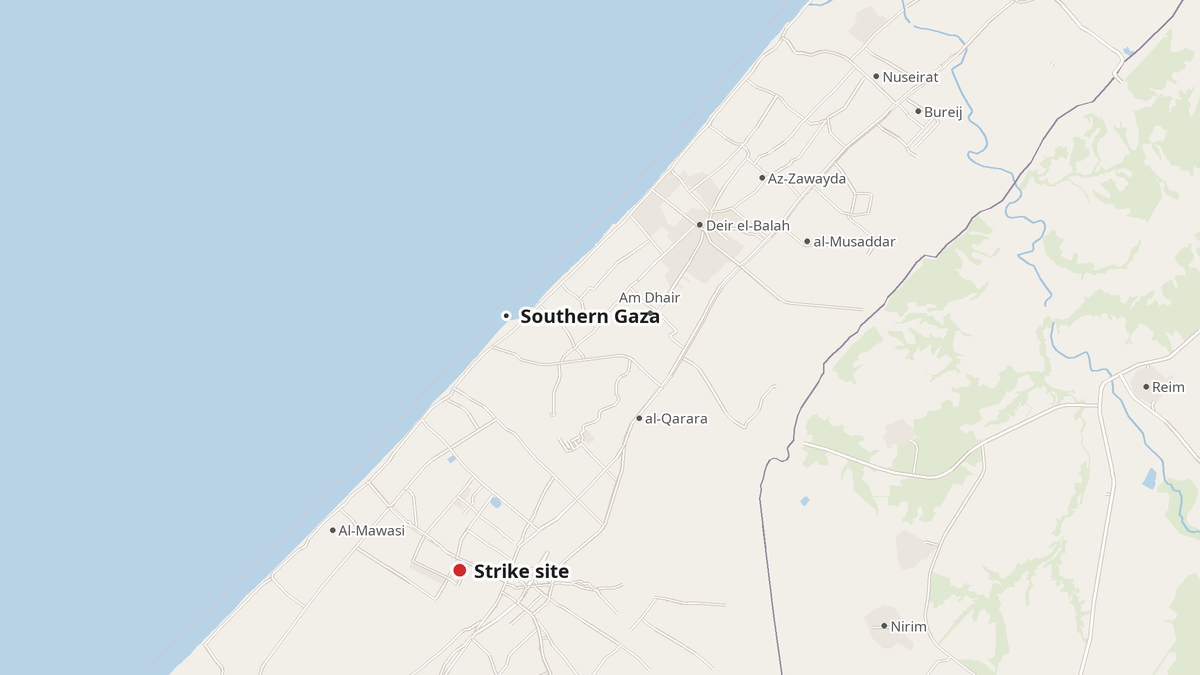
The Israel Defense Forces said an overnight airstrike on Nasser Hospital in Khan Younis, southern Gaza, targeted a senior Hamas operative and additional members of Hamas' military wing who had established a presence inside the hospital complex. The strike killed people and injured nearly 20 others, according to reporting on November 12, 2026.
"They were targeted in an aerial strike to eliminate the threat they posed, after establishing a presence within the hospital complex," the IDF said in confirming the operation.
That sentence carries the weight of the story. Military operatives, by the IDF's account, were working from inside a functioning medical facility. Hospitals are protected places. When armed groups operate from within them, that protection erodes, and civilians pay for it.
The Casualty Picture
The damage inside the hospital was real. The strike shut down both the intensive care unit and the surgical ward, according to a live-blog report. Those are the two departments a hospital in a war zone can least afford to lose. Nearly 20 people were injured.
The death toll itself is unsettled. The live-blog report put the toll at five killed, while the base reporting on the strike cites a higher figure of six in its headline. The discrepancy reflects the fog that surrounds fast-moving incidents in Gaza, where figures are often reported before they can be independently verified.
The Military Rationale
The IDF's stated justification is specific: a senior Hamas operative and members of the group's military wing, not a generic claim of militant activity. The statement says the strike aimed "to eliminate the threat they posed." The Israeli military did not describe the target as incidental to the facility. It described the facility as the place where Hamas had chosen to base its people.
The IDF statement does not detail what warnings, if any, preceded the strike, and the available reporting doesn't say. Nor does it identify the operative by name or specify what threat he posed. Those gaps matter, and they will shape how the strike is judged by outside observers.
The Wider Fighting
The strike came amid a broader and more volatile regional picture. Al Jazeera's live coverage on November 12, 2026, reported Israeli killings in Gaza that day under a banner that also referenced an Iran war and Tehran's warnings of wider retaliation. Separate live coverage from i24news reported debris from two Houthi missiles falling near Mecca after interception.
Gaza is not an isolated theater. Hamas fights as part of a network of Iran-aligned forces, and the same day's reporting touches Tehran's threats and Houthi missile fire in the region. Israel is making targeting decisions in Khan Younis while confronting threats on multiple fronts.
Why This Matters: If Hamas' military wing can operate from hospitals, Israel faces a choice between letting senior operatives work behind a protected facility or striking at the cost of shutting down critical care for civilians. Neither option is clean, and the burden of that dilemma falls largely on the group that chooses to fight from protected spaces. The closure of Nasser's intensive care unit and surgical ward is a genuine humanitarian loss for Khan Younis. Whether the IDF's claims hold up will depend on evidence not yet public. The strategic stakes extend beyond Gaza: an Israeli military constrained from acting against embedded militants would hand a durable advantage to Iran-backed proxies across the region.
- nasser hospital
- khan younis
- gaza
- israeli airstrike
- israel defense forces
- hamas
- hospital attack
- gaza war