
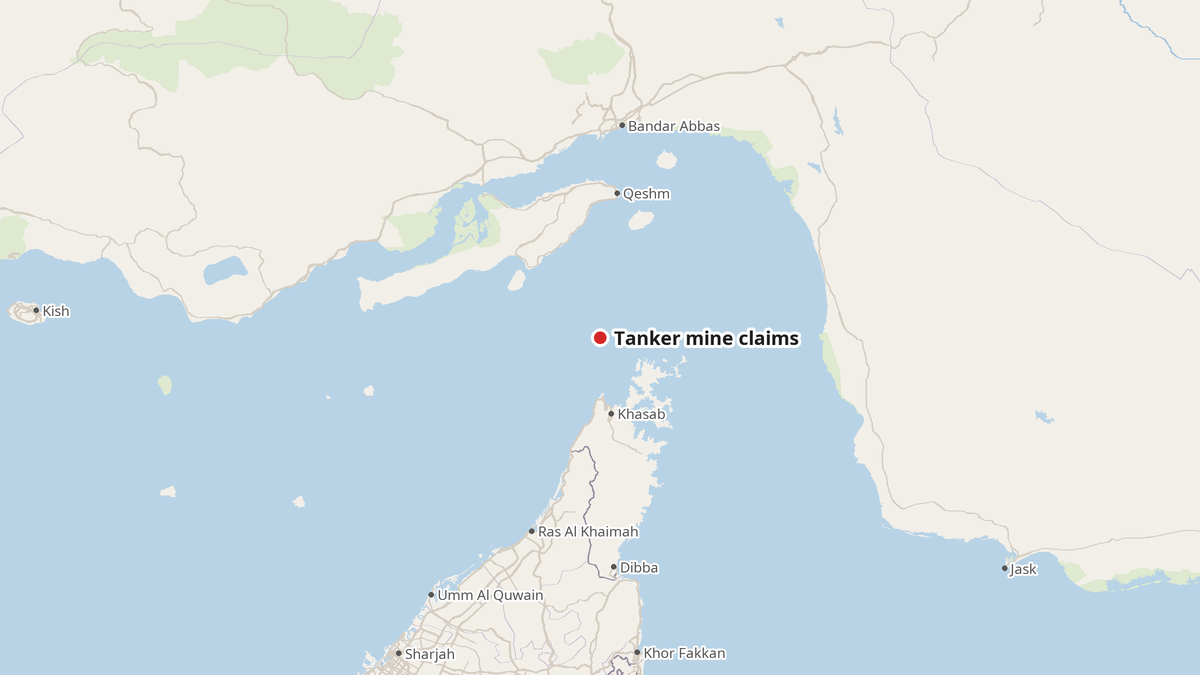
A U.S. military aircraft fired precision munitions at the stern of the St. Kitts-flagged cargo ship M/V Huda in the Gulf of Oman on Saturday, November 7, 2026, disabling the vessel after U.S. Central Command (CENTCOM) forces directed its crew to abandon the targeted spaces. It was the latest in a string of enforcement actions in a naval blockade that has now reshaped one of the world's busiest shipping corridors.
CENTCOM said the Huda's crew ignored repeated warnings and tried several times to violate the blockade after visiting an Iranian port. The statement didn't say whether anyone was hurt. Nor did it describe the condition of the crew after the strike.
The Human Cost at Sea
Behind the military language sit working seafarers on merchant ships, men and women whose employers, flag states and cargo routes they rarely control. CENTCOM says enforcement actions since July have redirected 147 commercial vessels that complied and disabled five merchant ships that refused. It also says U.S. forces previously destroyed 10 Iranian commercial oil tankers it described as part of the Islamic Revolutionary Guard Corps' "multibillion-dollar shadow network." The command estimates the blockade has kept Iran from exporting more than $25 billion in crude oil in recent months.
The sea is getting more dangerous for everyone on it. Iran's state broadcaster IRIB reported early Sunday that two oil tankers were burning after striking mines, citing the IRGC Navy. The navy said both ships had turned off their navigation and tracking systems and tried to cross an "unauthorized route" in the Strait of Hormuz. "Any vessel or ship that cooperates with the aggressive and predatory U.S. military, defies Iranian regulations regarding the Strait of Hormuz, and enters unauthorized zones will certainly strike a mine," the IRGC statement warned. Separately, the United Arab Emirates said it rescued 22 crew members from a cargo ship that caught fire in the Gulf of Oman. The sources don't link that rescue to the Huda or to the tanker explosions.
A Widening Campaign
CENTCOM also announced Task Force Iron Gate, a staff of roughly 20 civilian and military personnel based in Tampa, Florida. Admiral Brad Cooper directed its formation; one report says November 7, another says Friday. Its job is to coordinate with other U.S. agencies to stop advanced weapons systems, dual-use technologies, sanctioned materials and illegal revenue from crossing Iran's land borders and the Caspian Sea.
"The establishment of Task Force Iron Gate reinforces the success of our ironclad blockade against Iran at sea," Cooper said. He said it would constrain Iran's ability "to finance terrorism, rebuild weapons factories, and replenish their military."
Michael Mulroy, a former U.S. deputy assistant defence secretary for the Middle East, told Al Jazeera that if President Donald Trump orders an escalation, it will likely target this "series of targets." "Unlike Operation Epic Fury, which primarily focuses on military targets, I think these targets will be focused on economic and infrastructure targets, as part of this comprehensive plan to cut the regime off from its ability to fight and ability to fund itself," Mulroy said. Economic and infrastructure targets are, by their nature, the systems ordinary people depend on.
Explosions on Land, Talks in Doha
On Saturday, Iran's official news agency IRNA reported two explosions on Qeshm Island in the Strait of Hormuz and several more in Jask, Sirik and Bandar Abbas. Trump confirmed new strikes on Qeshm a day earlier but called them "minor," adding that Tehran still wants a deal as Qatari-mediated talks continue. Reuters reported that Trump has been threatening a new offensive, while Tehran has threatened broad retaliation against Gulf infrastructure.
The Treasury Department added to the pressure on Friday, sanctioning eight Canada-based money services businesses accused of helping Iran and IRGC-affiliated entities evade U.S. sanctions under Operation Economic Outcast, launched in August. The Qatar-led diplomacy hasn't produced a comprehensive agreement. Disagreements persist over Iran's nuclear program, sanctions relief and the reopening of the Strait of Hormuz, through which about a fifth of global oil supplies passed before the war.
Why This Matters: The war between the United States and Iran is in its ninth month, and the blockade is about three months old. Pressure is now building on several fronts at once: the sea, the land borders, the banking system and, possibly, infrastructure. Each step narrows the room for the Qatari-mediated talks that remain the only visible diplomatic track. Mines, disabled ships and burning tankers put civilian crews, many with no stake in the dispute, in the line of fire. A strait that carried a fifth of the world's oil is now a place where seafarers are warned off by both sides. Without a negotiated settlement on the nuclear program, sanctions and shipping, the pattern looks set to continue, and the costs will fall on people far from the negotiating table.
- us navy
- iran
- strait of hormuz
- naval blockade
- m/v huda
- centcom
- shipping
- iran sanctions